
Does Solar Panel Cleaning Actually Improve Output?
Sometimes, and it depends on what’s on the panels. Light dust costs a few percent. Bird droppings, heavy pollen and ash cost more and don’t wash off in the rain. Here’s what the research found, when cleaning is worth paying for in Santa Cruz County, and how to check first.
Call or text a few photos. Flat quote, usually the same day.
- Short answer
- What studies found
- When it’s worth it
- How to check
Cleaning Helps Most When Panels Are Really Dirty
Research from California shows light dust has a small effect, and cleaning a typical home system for dust alone often doesn’t pay for itself. Heavier soiling is different: bird droppings, thick pollen, ash and built-up film block more light and don’t rinse off in the rain. The honest answer is to check your panels and your output before deciding.
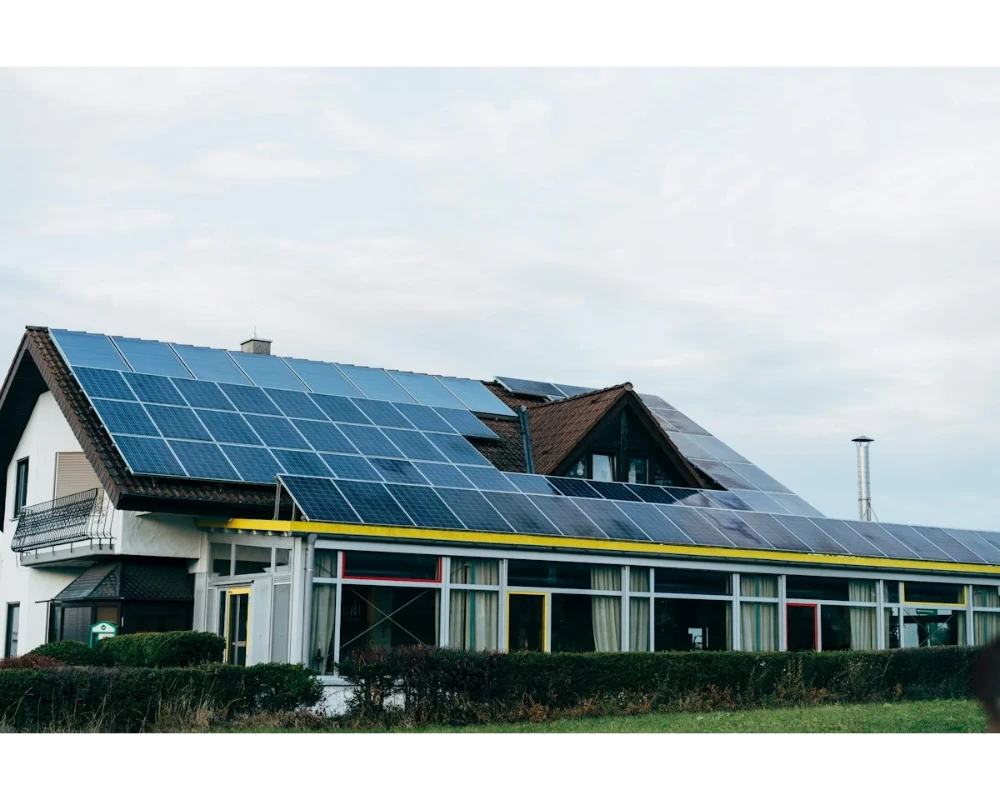 Rooftop solar panels in Santa Cruz County
| What’s on the panels | Typical effect | Does rain fix it? |
|---|---|---|
| Light dust | Small, builds slowly in dry months | Mostly |
| Pollen | Can be large at peak season | Not fully |
| Bird droppings | Blocks light on the cells it covers | No |
| Wildfire ash | Grey film over the whole array | Partly |
| Salt film near the coast | Builds with repeated fog | Partly |
Sources: UC San Diego Jacobs School of Engineering, Cleaning Solar Panels Often Not Worth the Cost (2013); Renewable Energy World, NREL study on pollen soiling of solar panels.
What UC San Diego Found About Dust
A widely reported California study looked at real home and business systems.
 Rotating brush cleaning solar panels
| Finding | Detail |
|---|---|
| Sites studied | 186 residential and commercial systems in the California Solar Initiative, from the Bay Area to the Mexican border |
| Data | Output from 2010, published in the journal Solar Energy in 2013 |
| Loss from dust | 7.4 percent after 145 days without rain or cleaning in a summer drought |
| Daily rate | A little under 0.05 percent a day |
| Value of one cleaning | Only a small amount of extra electricity for a typical 5 kW home system cleaned halfway through the dry season |
| Exception | Heavily soiled panels, such as those with bird droppings, should be cleaned |
The researchers’ conclusion was that most homeowners won’t get their money back from hiring someone to wash panels for dust alone. That’s a fair point, and we’d rather tell you than sell you a cleaning you don’t need.
Sources: UC San Diego Jacobs School of Engineering, Cleaning Solar Panels Often Not Worth the Cost (2013).
What NREL Found About Pollen
A later study looked at a different kind of soiling.
| Finding | Detail |
|---|---|
| Study | An Investigation on the Pollen-Induced Soiling Losses in Utility-Scale PV Plants, IEEE Journal of Photovoltaics |
| Sites | Five utility-scale plants in North Carolina that had run for over seven years without manual cleaning |
| Peak loss | Performance dropped by as much as 15 percent at peak pollen season |
| Without cleaning | Total production losses could reach about 10 percent |
| After wet brush cleaning | Performance improved by 5 to 11 percent |
| Rain | Rain washed off some pollen but couldn’t bring panels back to their original output |
North Carolina pollen isn’t Santa Cruz pollen, but the lesson carries over: sticky soiling behaves differently from dust, and rain doesn’t fully clear it.
Sources: Renewable Energy World, NREL study on pollen soiling of solar panels.
What Gets on Solar Panels in Santa Cruz County
The soiling depends on where you are.
| Area | Main soiling | What it means |
|---|---|---|
| West Cliff, Pleasure Point, Rio Del Mar | Salt film from fog and spray | Builds through the foggy months |
| San Lorenzo Valley, Bonny Doon | Needles, pollen, sap, ash in fire years | Sticky and slow to rinse off |
| Scotts Valley, inland Aptos | Pollen and dust | More like the California dust study |
| Watsonville | Field dust | Builds in dry months |
| Anywhere with birds on the roof | Droppings | Won’t rinse off; worth cleaning |
Santa Cruz averages 0.88 inches of rain a month or less from May through September, so panels can go months without a real rinse, which is close to the dry spell in the UC San Diego study.
Sources: Santa Cruz average rainfall by month.
How to Check Whether Your Panels Need Cleaning
You can usually tell without climbing anything.
Look from the ground
Use binoculars or a phone zoom. Droppings, heavy pollen, ash or a grey film are worth cleaning.
Check your monitoring app
Compare output on clear days with similar clear days a few weeks or months earlier, at a similar time of year.
Rule out other causes
New shade from trees, a failed inverter or panel, or seasonal sun angle can all lower output.
Check your warranty
Some panel makers specify cleaning methods; follow them.
Clean, then compare
If you clean, compare the next clear days with the days before to see what it actually did.
If the panels look clean and output matches past clear days, save your money.
How Solar Panels Should Be Cleaned
The wrong method can do more harm than the dirt.
 Rooftop solar panel cleaning water-fed pole
| Right way | Wrong way | |
|---|---|---|
| Water | Deionized water that dries without spots | Hard tap water left to dry |
| Tools | Soft brush | Abrasive pads or stiff brushes |
| Pressure | Low pressure rinse | Pressure washer |
| Products | Only what the panel maker allows | Harsh chemicals |
| Timing | Cool part of the day | Hot panels in full sun |
| Access | From the ground or with proper roof safety | Walking on the panels |
Hard tap water is a real issue here. Soquel Creek Water District lists 100 to 370 ppm hardness across its service area, which leaves mineral spots if it dries on glass. See what water window cleaners use.
Other Reasons Solar Output Drops
Before blaming dirt, rule these out.
| Cause | What you’d notice | What to do |
|---|---|---|
| Seasonal sun angle and day length | Lower output in winter months | Compare with the same month last year |
| Clouds and fog | Low output on grey days | Compare clear days only |
| New shade | Output drops at certain times of day | Check trees and new structures |
| Heat | Panels produce a bit less when very hot | Normal; compare similar temperatures |
| Inverter or panel fault | Sudden drop or zero output | Call your solar installer |
| Soiling | Gradual drop on clear days; visible dirt | Clean if the soiling is heavy |
If output dropped suddenly, it’s rarely dirt. Soiling builds gradually, so a sharp change usually means shade, equipment or the weather.
Solar Cleaning Myths
Some of what’s said about panel cleaning doesn’t match the research.
| Claim | What the evidence says |
|---|---|
| Rain keeps panels clean | It helps with dust, but not droppings, and not all pollen |
| Dirty panels lose half their output | Dust losses in the California study were 7.4 percent after 145 dry days |
| Panels never need cleaning | Heavily soiled panels should be cleaned |
| Every home should clean panels every few months | Only if soiling is heavy; check first |
| A pressure washer is the fastest way | It risks damage and may break warranty terms |
Sources: UC San Diego Jacobs School of Engineering, Cleaning Solar Panels Often Not Worth the Cost (2013); Renewable Energy World, NREL study on pollen soiling of solar panels.
Before You Clean Panels Yourself
Getting to the panels is the risky part, not the cleaning.
 Rinsing solar panels spray wand
- Don’t climb onto the roof or stand on panels
- Clean from the ground only, with a soft brush on a pole
- Use water the panel maker allows; avoid hard water drying on the glass
- Don’t use abrasives, harsh chemicals or a pressure washer
- Check your panel and installer warranty terms first
- Clean in the cool part of the day, not on hot glass
If the panels are on a second story or a steep roof, it’s a job for someone with proper access and roof safety.
When Solar Panel Cleaning Is Worth It
Our honest take, based on the research.
| Situation | Worth cleaning? |
|---|---|
| Light dust, output close to normal | Usually not |
| Bird droppings on panels | Yes |
| Heavy pollen or sap under trees | Often |
| Ash after a wildfire | Yes |
| Thick salt film near the coast after the foggy months | Often |
| Already booking windows or gutters with roof access | It makes sense to add it |
When we’re already on the roof for gutters or skylights, adding panels costs less than a separate trip. See solar panel cleaning and the windows, gutters and solar combo.
Solar Soiling Glossary
Words you’ll see in solar monitoring and research.
| Term | What it means |
|---|---|
| Soiling | Anything on the panel surface that blocks light: dust, pollen, droppings, ash, salt |
| Soiling loss | The share of output lost to soiling |
| kWh | Kilowatt-hour, the unit your monitoring app and utility bill use for energy |
| kW system size | The rated power of the array, such as a 5 kW home system |
| Inverter | The device that converts the panels’ power for your home |
| Monitoring app | Software from your installer or inverter maker that shows daily output |
Solar Panel Cleaning: FAQ
Does solar panel cleaning increase energy production?
It can, by removing what blocks light from reaching the cells. How much depends on how dirty the panels are. Light dust costs little, while bird droppings, heavy pollen or ash cost more and won’t rinse off in the rain. Compare your monitoring app on clear days before and after.
How much efficiency do dirty solar panels lose?
A UC San Diego study of 186 California sites found panels lost 7.4 percent after 145 days without rain or cleaning, a little under 0.05 percent a day. An NREL study found pollen cut output by up to 15 percent at peak season at plants in North Carolina.
Is solar panel cleaning worth it in California?
Not always. The UC San Diego researchers concluded that cleaning light dust off a typical home system often doesn’t pay for itself, but heavily soiled panels, such as those with bird droppings, should be cleaned.
Why do solar panels produce more after a rainstorm?
Rain rinses off some of the dust that blocks light, so output can rise after a storm. It only does part of the job, though. Rain doesn’t remove bird droppings, and an NREL study found it couldn’t rinse enough pollen off to bring panels back to full output.
How do I know if my panels need cleaning?
Compare your monitoring app’s output on clear days with similar days earlier in the year, and look at the panels from the ground. Visible droppings, heavy pollen, ash or a grey film are signs.
How often should solar panels be cleaned in Santa Cruz?
There’s no fixed rule. Lightly dusty panels may not need it at all, while panels under trees, near the coast or after a wildfire may need it once or twice a year. Check first rather than cleaning on autopilot.
Can I clean my own solar panels?
Only if you can do it safely from the ground. Don’t climb onto the roof, and follow the panel maker’s instructions on water, brushes and products.
What should never be used on solar panels?
Abrasive pads, harsh chemicals and high-pressure water, unless the panel maker says otherwise. Check your warranty terms before cleaning.
Does salt from fog affect solar panels?
It leaves a film on panels near the coast, the same film that builds up on windows. How much it affects output depends on how thick it gets.
Do you clean solar panels?
Yes. We use a soft brush and deionized water, within the panel maker’s cleaning instructions, and can do it on the same visit as windows and gutters.
Will cleaning make old panels produce like new?
No. Cleaning removes what’s blocking light, but panels also lose a little output with age. Cleaning can only restore what the dirt was taking.
Should I clean panels after a wildfire?
Yes, once it’s safe. Ash can coat the whole array. Rinse it off first rather than wiping it dry, and follow the panel maker’s instructions.
Does pollen dust affect solar production?
Yes. Pollen film blocks light from reaching the cells, and an NREL study found it cut output at peak pollen season. Rain didn’t rinse enough off to bring panels back to full output. If your monitoring app shows a drop in spring, a cleaning after the heaviest pollen has passed can help.
Get a Free Window Cleaning Quote in Santa Cruz County
Send your address and a few photos. You’ll hear back the same business day with a flat number.
(831) 203-3111- Same-day response, Monday through Saturday
- Flat quote, good for 30 days
- Add gutters, solar or skylights to the same visit
Serving Santa Cruz, Capitola, Aptos, Soquel, Live Oak, Scotts Valley, Felton, Ben Lomond, Bonny Doon, Watsonville and everywhere in between.